
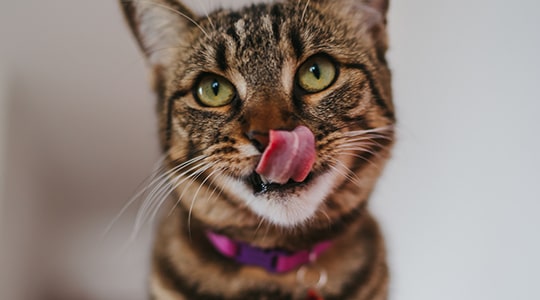
Why Cats Love Catnip | What It Is and What It Does to Cats
Ever wonder why cats lose their cool over catnip? It’s all thanks to a special chemical compound that triggers a feel-good rush in their brains. For most felines, just one whiff leads to 10-15 minutes of rolling, rubbing, and pure bliss.
Interestingly, scientists recently discovered that all that rubbing and rolling may actually help cats manage difficult parts of their environment.
But don’t worry if your cat doesn’t think twice about catnip. About one in three cats won’t react at all because the trait isn’t in their DNA.
Ready to treat your cat to some fun? This guide explains why cats like catnip, how long the effects last, and how to use it safely.
Key Takeaways
- Catnip contains a plant-based chemical compound called nepetalactone. When your cat gets a whiff, it sends a happy signal to their brain, releasing a rush of feel-good vibes.
- About two-thirds of cats will go wild for catnip. The other third won’t react at all because they aren't born with the genes that cause the unique reaction.
- The effects of catnip usually last about 10 to 15 minutes. After that, your cat’s brain needs a break. It takes about two hours to "reset" before they can enjoy that catnip magic all over again.
- Sniffing catnip usually leads to high-energy play and lots of adorable activity. Eating catnip, on the other hand, tends to make cats feel mellow and relaxed.
What Is Catnip?
Catnip is a member of the mint family, making it a close cousin to the herbs in your kitchen, such as basil and oregano. Its Latin name is Nepeta cataria, and it’s a perennial plant, meaning it will grow back every year without you having to replant it (if your cat doesn’t destroy it first!).
The leaves and stems of the catnip plant contain a special essential oil/chemical compound called nepetalactone. It’s this chemical compound that drives cats wild!
While you can find dried catnip in everything from toys to treats, fresh catnip is more potent and will lead to even more zoomies.
Surprisingly, recent studies show that nepetalactone acts as a super-strong bug spray. In fact, it’s about 10 times more effective than DEET at keeping mosquitoes away from your cat.

Why Do Cats Like Catnip?
When your cat smells catnip, the nepetalactone turns on an area of their brain that produces pleasure and happiness. This often results in rolling, purring, or zooming around in a state of pure joy!
Don’t worry, though. They aren’t losing control. They’re just happy! Even blissed out on catnip, your cat will be fully aware of what’s happening around them and what they’re doing.
Another reason cats like catnip might be because of its anti-bug effect. A 2021 study found that smelling catnip motivates cats to roll all over the plant. This transfers nepetalactone onto their fur, which keeps annoying mosquitoes away.

Whether dried or fresh, cats love to smell or eat catnip. Why? Two words: Instant. Euphoria.

It’s biology, Felis catus. Catnip works its magic on your cat by tickling the pleasure receptors in your feline’s brain.
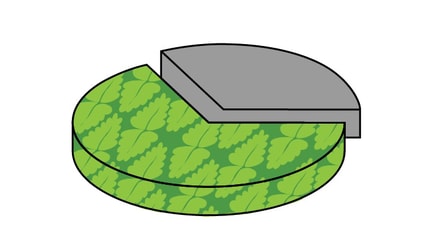
Will catnip take your kitty to their happy place? Maybe. About two-thirds of cats respond to catnip.
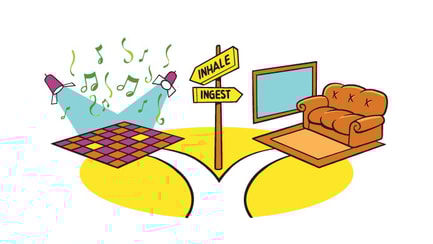
The mere scent of catnip can rev up your cat and makes them go a little cuckoo. But if your cat eats catnip, it can mellow them out.

After a few big whiffs of catnip, most cats react by rolling, rubbing on surfaces, flipping over, meowing loudly, drooling and then zoning out.
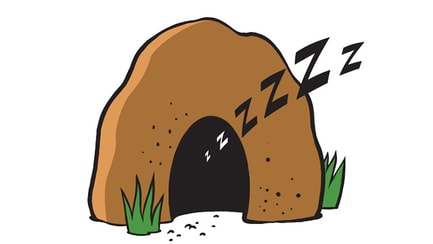
After eating this oh-so-appealing herb, most cats go into chill mode and eventually doze off for a nice long catnap.

Catnip-induced kitty bliss is short-lived, usually lasting about 10 to 15 minutes for most felines.

Once the pleasure passes, it’ll take about two hours for your cat to “reset” and be able to respond to catnip again.

Catnip can be a great training tool. So go ahead and rub or sprinkle catnip on a scratching post to make it more appealing than your sofa.
Worried your cat will go down the wrong path and get addicted to catnip? Don’t be. It’s not addictive and is completely harmless.
Table of Contents
How Catnip Affects Cats: Smelling vs. Eating
A unique trait of catnip is that it can have two different effects depending on how your cat interacts with it.
If your cat spends their time sniffing the leaves, catnip acts like a spark of energy, and they’ll zoom, roll, and chirp with excitement. On the other hand, if they decide to lick or nibble on the leaves (which is completely safe, by the way), it acts as a natural relaxant, and your cat will probably engage in some serious chill time!
Just remember, every cat is unique. If your cat doesn’t react to catnip, don’t worry. It’s just how they’re wired. That’s because a cat’s reaction to nepetalactone, the chemical compound in catnip, is genetic. Some cats simply aren’t born with the trait that responds to nepetalactone.
Other Things to Know About Catnip
How Long the Effects Last
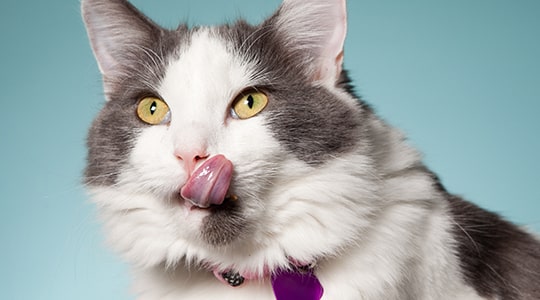
When your cat gets a whiff of catnip, it’s typically followed by a whirlwind of excitement! The nice thing is that the whirlwind only lasts about 10 or 15 minutes. After that, the effects start to wear off and your cat’s brain gets a little time to reset.
During that time, they’ll be temporarily immune to the nepetalactone for anywhere from 30 minutes to two hours.
Keep in mind that frequent exposure to catnip can reduce your cat’s sensitivity. To keep the fun alive, don’t offer it every single day. Instead, save catnip for special occasions. This ensures that your cat doesn’t become immune to it.
Catnip vs. Similar Plants
If your cat doesn’t react to catnip like other cats, you can try other options, including silver vine, tatarian honeysuckle, and valerian root. This table shows you how the plants compare.
Plant | Intense Response | Mild Response | No Response | % Positive Response |
Silver Vine | 72 | 7 | 21 | 79% |
Catnip | 51 | 16 | 32 | 67% |
Tatarian Honeysuckle | 44 | 7 | 46 | 51% |
Valerian Root | 38 | 6 | 51 | 46% |
So, if catnip doesn’t do it for your feline friend, try silver vine. There’s a better chance that your cat will react, perhaps even more intensely than with catnip!
Safety
Catnip is completely non-toxic and non-addictive. That makes it a super safe treat when given in moderation and only occasionally (i.e., one or two times a week).
While catnip is safe for all cats, eating too much can cause an upset stomach and/or mild sickness. And, if the catnip is inside a soft toy of some kind, keep an eye out for loose stuffing that can become a choking hazard.
One final note: Cats who have a history of seizures should avoid catnip unless approved by a veterinarian.
How to Treat Your Cat with Catnip
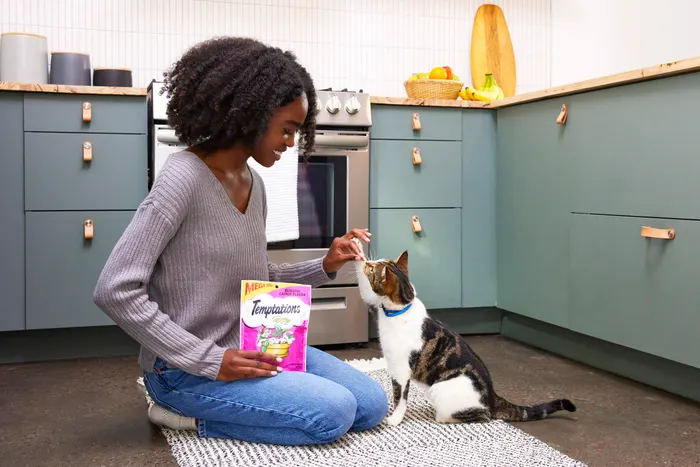
There are lots of ways to treat your cat with catnip!
Try sprinkling a few dry flakes onto their favorite scratching post. Or rub the herb directly onto plush toys or old furniture to give them a new and exciting scent. If you want to minimize the mess, purchase a toy with a refillable pouch or try a catnip spray.
Catnip-flavored treats, like our MixUps CATNIP FEVER™ treats, also make for a great reward or training aid if you’re trying to teach your cat a specific behavior. They’re also just a fun way to show them some extra love!
But remember to keep the fun special by using catnip only once or twice a week. That ensures that your cat won’t get bored of the effect.
Cats Can't Resist TEMPTATIONS™ Treats

Catnip is a fun way to treat, reward, or just bond with your cat when used in moderation. They love it, and you’ll love watching them with it!
Wanna make your cat’s playful side even more fun? Pull out a bag of TEMPTATIONS™ Blissful Catnip Flavor or TEMPTATIONS™ Mixups CATNIP FEVER™ Cat Treats. Trust us: The taste of our irresistible catnip-flavored treats will put your kitty on cloud nine.
Contributors
Reviewed by:
Dena Bley
Veterinary Technician
Dena Bley is a registered veterinary technician with 25 years of experience and Sr. Expert Advice Team member. She began her career as a researcher at P&G before joining the Pet Health and Wellness Team at Mars 2014. With deep roots in Ohio, Dena brings over a decade of research experience and a passion for animal care, complemented by her hands-on work with a variety of animals on her family’s small farm.
References
- https://academic.oup.com/jhered/article-abstract/53/2/54/873400?redirectedFrom=fulltext
- https://pmc.ncbi.nlm.nih.gov/articles/PMC5356310/
- https://www.science.org/doi/10.1126/sciadv.abd9135
- https://vetmed.tamu.edu/news/pet-talk/feline-fine-the-benefits-of-catnip/
- https://www.sciencedirect.com/topics/veterinary-science-and-veterinary-medicine/nepeta-cataria
- https://pmc.ncbi.nlm.nih.gov/articles/PMC7220310/
- https://www.humanesociety.org/resources/crazy-catnip
- https://www.sciencedaily.com/releases/2001/08/010828075659.htm
- https://link.springer.com/article/10.1186/s12917-017-0987-6
Frequently Asked Questions (FAQs)
Cats who love this may also like …
7 Ways to Use “The Shake” to Train Your Cat
Want your cat to respond to your every desire? All it takes is a shake of the TEMPTATIONS™ treat bag. It’s true! Cats find “the shake” irresistible, and our delicious cat treats are (in our humble opinion) a superb way to reward your feline friend for a job well done. Use them to help train your cat to be a perfectly polite kitty.
READ MORE
Cat Q&A: Why Does My Cat Lick and Bite Me?
Learn about the reasons why your cat or kitten might be licking and biting you and how TEMPTATIONS™ cat treats can help!
READ MORE
How Should You Use Cat Treats?
If you’re wondering whether you ought to buy your cat some treats, whether you’re using them correctly or just what they’re for in general, you’ve come to the right place. As the experts in irresistible things for cats, we can help you get the most out of those powerful pouches.
READ MORE
5 Weird Cat Behaviors Explained
Let’s face it: Our feline friends can be real weirdos at times. But most cat parents adore their odd yet endearing behavior.
READ MORE