
How Long Can Cats Go Without Food and Water?
Cats are mysterious, magnificent creatures, often turning their adorable little noses up at the very dinner they begged for five minutes ago. But while a skipped meal might be classic feline finickiness, a true hunger strike is no laughing matter.
This guide will help you understand your cat’s unique nutritional needs, spot the signs of trouble, and know exactly when it’s time to call the vet.
Key Takeaways
- Cats should not go without food for more than 24 hours without consulting a veterinarian.
- A cat can become dangerously dehydrated after just 24 hours without water.
- Prolonged fasting in cats can lead to a life-threatening condition called hepatic lipidosis, or fatty liver disease.
- Always ensure your cat has access to fresh, clean water and monitor their daily food intake closely.
- If your cat stops eating or drinking, contact your veterinarian immediately for professional guidance.
How Long Can Cats Go Without Food?
A cat’s body is absolutely not built for fasting. Going without food for just a few days can trigger severe health issues. If your cat hasn’t eaten for 24 hours, pay very close attention. By the 48-hour mark, the situation becomes critical, and veterinary intervention is absolutely necessary.
How Long Can a Cat Go Without Water?
When they stop drinking water as well, the picture becomes even more urgent. Without water, dehydration sets in after just 24 hours, putting immediate strain on every organ in your cat’s body. The combination of no food and no water is a dual emergency. A cat deprived of both faces a far greater risk of rapid organ failure.
Since wet food contributes significantly to a cat’s daily fluid intake, a cat who stops eating is very often also becoming dehydrated at the same time. If your cat has not had food or water for more than 24 hours, treat it as a veterinary emergency.
Why Cats Need Regular Meals?
Your cat’s body is a finely tuned, purring machine that requires a steady supply of high-quality fuel. Regular meals provide the essential proteins, fats, vitamins, and minerals needed to keep them pouncing and thriving.
Unlike some animals that can rely on large fat reserves, cats have a unique metabolism that demands consistent caloric intake. Their livers are constantly converting protein into energy. When protein stops coming in, the liver starts looking for energy elsewhere, which leads to a very serious feline health issue.
What Happens When a Cat Stops Eating?
When a cat stops eating, their body breaks down stored fat to survive. However, a cat’s liver isn’t designed to process large amounts of fat all at once. This rapid fat mobilization can lead to hepatic lipidosis, commonly called fatty liver disease.
This condition can develop in just a few days of anorexia, making prompt action absolutely vital. Symptoms can be difficult to spot: not eating and lethargy are the most common, while vomiting and jaundice are the extreme end. It requires intensive, immediate veterinary care, though it is not always reversible. Hence, always pay close attention to your cat’s eating habits and take prompt action at the earliest.
Common Reasons Cats Stop Eating
Cats might refuse their food bowl for many reasons:
- Disliking a new flavor, a change in texture, or even a slightly dirty bowl can offend their delicate sensibilities!
- Any change in their environment, like a new pet or moving house, can cause enough stress to put them off their dinner.
- Dental pain, gastrointestinal upset, infections, kidney disease, or pancreatitis can all cause a cat to stop eating.
Because the reasons range from “I don’t like this flavor” to “I am seriously ill,” it is crucial to monitor the situation closely.
When is a Cat Not Eating an Emergency?
A single skipped meal isn’t always a crisis, but if your cat refuses food for more than 24 hours, consider it a bright red flag. It becomes a true emergency when the lack of appetite is accompanied by vomiting, diarrhea, extreme lethargy, hiding, or noticeable weight loss. Seek veterinary care immediately; these signs indicate a medical problem requiring professional diagnosis and treatment.
How to Encourage a Cat to Eat Again?
If your cat is being a bit fussy but is otherwise acting completely healthy and normal, you can try a few whimsical tricks to tempt their taste buds:
- Warm up their wet food slightly in the microwave (just for a few seconds!). This enhances the aroma, making it much more appealing to their strong sense of smell.
- Offer a different texture or flavor of food. Sometimes, a little sprinkle of a high-value, irresistible treat like TEMPTATIONS™ Cat Treats crushed over their regular meal can spark their interest and get them munching again.
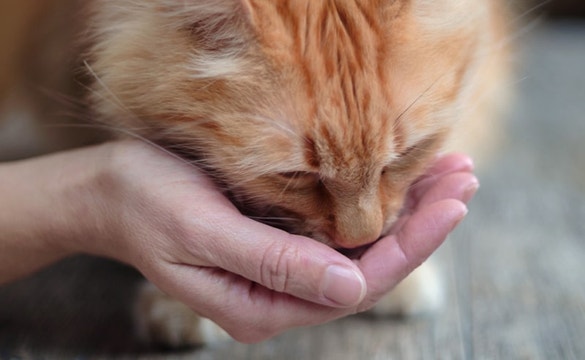
- Hand-feed them or move their food bowl to a quieter, less stressful location.
Explore the full range of TEMPTATIONS™ cat food to find a flavor your cat simply can’t resist. However, if these culinary tricks don’t work within a 24-hour window, it’s time to hang up your chef’s hat and call in the veterinary professionals.
When to Contact a Veterinarian?
Ideally, cats shouldn’t go for more than 24 hours without either. If your cat’s eating or drinking habits change suddenly, or they go 24 hours without consuming anything, call the vet. Early intervention is the best way to prevent life-threatening complications like severe dehydration or hepatic lipidosis. Your veterinarian can help identify the cause and provide appropriate treatment, whether that’s an appetite stimulant, fluid therapy, or care for an underlying illness. Your cat’s health is always worth that call.
Conclusion
Keeping a watchful eye on your cat’s food and water intake is a crucial, everyday part of pet parenthood. While they might be independent, sassy spirits who rule the roost, they rely entirely on you to keep their bowls full and their bodies healthy.
By understanding how long cats can go without food and water, and knowing the severe risks involved with fasting, you can ensure your feline friend stays in tip-top shape.
CONTEXTUAL LINKS
How Much Wet Food Should You Feed Your Cat? | How Much Dry Food Should You Feed Your Cat? | Can Cats Eat Shrimp? | Can Cats Eat Ice Cream? | Can Cats Eat Yogurt? | What Can Kittens Eat and What Should They Avoid? | How Much to Feed a Kitten | How Much Should You Actually Be Feeding Your Cat? | Why Is My Cat Not Eating?
Contributor
Jessica Gilliam is a veterinarian with more than 14 years of clinical experience, specializing in small animal medicine. She is passionate about surgery, dentistry, mentorship, and education. Jessica serves as the Community Chair for the Tennessee Market at Banfield and oversees Mars Petcare’s PetConnect chat, which offers free educational support for pet parents. In her free time, she enjoys hiking and baking.